
People of the Book
Monika Agopsowicz
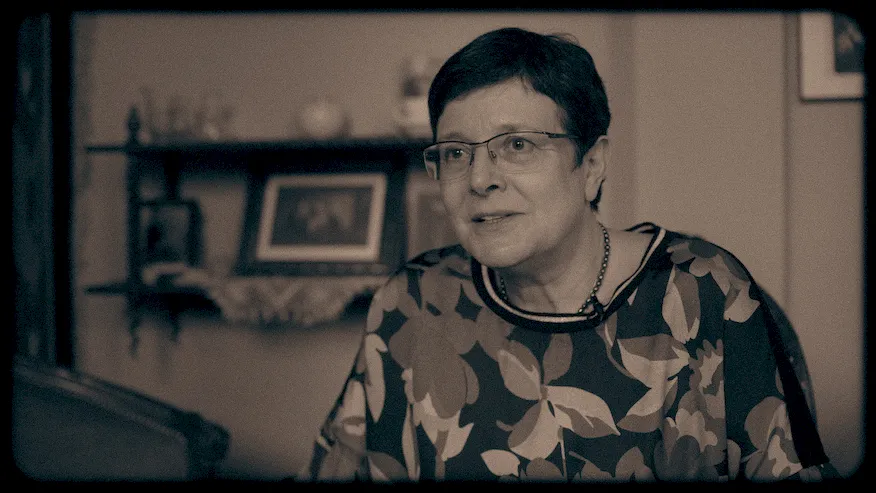
A philologist, populariser of the history of Polish Armenians, and cultural activist. She comes from the centuries-old Armenian Agopsowicz family originating from Pokuttya. For many years, she has researched and documented the history of Armenians in the former south-eastern Borderlands of the Polish–Lithuanian Commonwealth, focusing in particular on the culture and everyday life of the Armenian community of Pokuttya.
She is a co-founder and member of the Council of the Foundation for the Culture and Heritage of Polish Armenians. She also collaborates with the Wiki.Ormianie portal, the Virtual Archive of Polish Armenians, and the editorial team of the quarterly Awedis. Together with her husband, Władysław Deńca, she published the newspaper Lokalna and has been actively involved in initiatives dedicated to preserving the heritage of Polish Armenians.
She is the author of books devoted to the history of Armenian Pokuttya, including The Beginnings of Borderland Pokuttya: Armenians and Borderland Pokuttya: The Armenian Commonwealth, as well as co-author of the album Armenian Warsaw.
She is the recipient of numerous awards, including the “Przegląd Wschodni” Award (2023), the Polcul Foundation Award, the Klio Award, and the Oskar Halecki Award. In 2014, she was decorated with the Cross of Merit for her social and cultural activity.
Tomasz Makowski
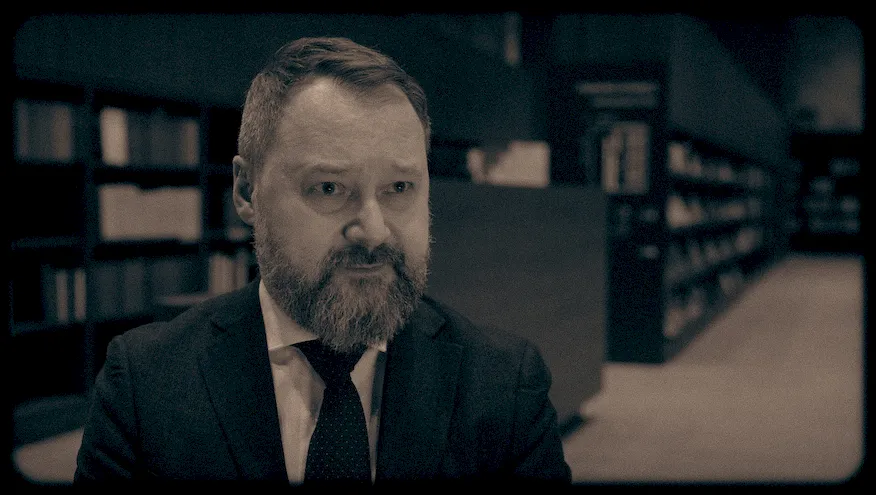
A librarian and historian, Director of the National Library of Poland since 2007. He serves as Chair of the National Library Council and of the Council for the National Library Resource at the Ministry of Culture and National Heritage, and since 2025 as Chair of the Conference of Directors of National Libraries (CDNL).
Professionally associated with the National Library since 1994, he previously held the positions of Deputy Director for Research and Head of the Special Collections Department before becoming Director. He is one of the initiators and co-creators of the National Programme for the Development of Reading.
He has held and continues to hold numerous positions in national and international bodies concerned with the protection of cultural heritage and the development of librarianship. These include serving as Chair of the Scientific Council of the Ossoliński National Institute, Vice-Chair of the UNESCO Memory of the World National Committee, member of international commissions on cultural heritage preservation, and participation in the structures of IFLA and The European Library. He is also a member of the boards of museums and cultural institutions.
He serves as Editor-in-Chief of RocznikBibliotekiNarodowej and Polish Libraries, and is a member of scientific boards and editorial committees of bibliological and humanities journals.
He is the author of five books and several dozen scholarly articles, curator of exhibitions, and a specialist in the history of libraries and manuscript studies. In 2001, he received his PhD in history from the Cardinal Stefan Wyszyński University in Warsaw.
He is a recipient of professional distinctions from the Polish Librarians’ Association and the Polish Booksellers’ Association, and a scholarship holder of the Lanckoroński Foundation. He is also a member of the jury of the Kazimierz Moczarski Historical Award and of the chapter of the Jerzy Giedroyc Award.
Anuszawan Mesropjan
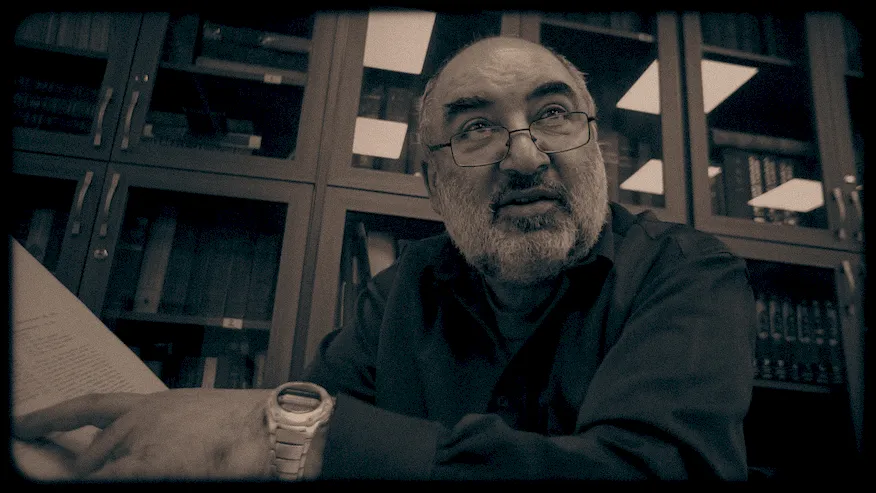
A translator, literary scholar, and bibliographer who has been associated with Lviv for more than three decades. He was born in Armenia, in a village situated on the banks of the Vorotan River. His native region disappeared beneath the waters of the Spandaryan Reservoir—an experience he recalls as a quiet, internal deportation. He completed secondary school in Yerevan and then studied at the two-year Julius Fučík School of Journalism. He was actively involved in theatre work and dreamed of pursuing directing studies, but these plans were interrupted by the Chernobyl disaster.
In the early 1990s, he came to Ukraine as part of a cultural exchange programme. What was meant to be a short visit became the beginning of a new life. Mesropyan settled in Lviv, which over time became his second homeland.
He is professionally affiliated with the Scientific Library of the Ivan Franko National University of Lviv, where he works as a first-category bibliographer in the Department of Manuscripts and Early Printed Books. He conducts research on the history of the Armenian presence in Ukraine and is preparing a catalogue of Armenian manuscripts. He translates Armenian and Ukrainian literature, and his body of work includes translations of both classical authors and numerous contemporary writers, including LevonHechoian, Aram Pachyan, and Sona Van. For his translation work and cultural outreach, he has received distinctions from the embassies of Armenia and Ukraine and was a finalist for the “Lviv – UNESCO City of Literature” award.
Professor Claude Armen Mutafian
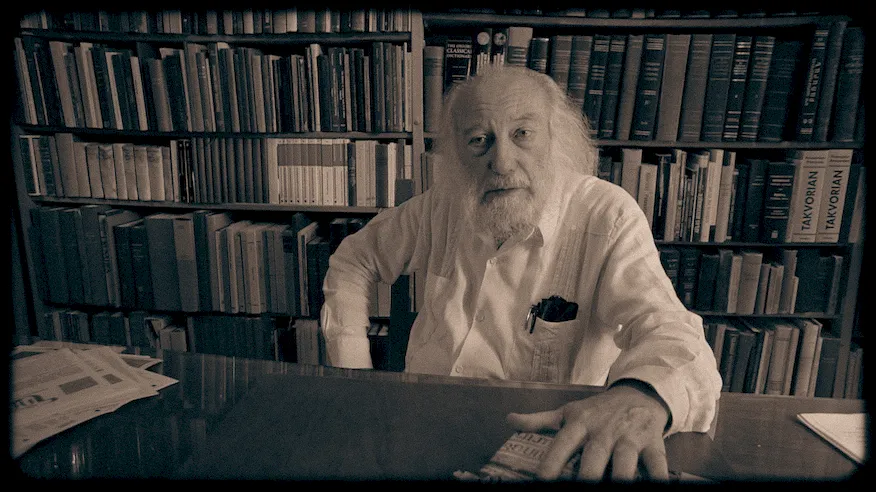
is a French mathematician and Doctor of History of Armenian descent, a distinguished scholar of Armenian history and a foreign member of the National Academy of Sciences of Armenia.
He is the son of the renowned painter ZarehMutafian and Haigouhie (née Damlamian), both survivors of the Armenian Genocide. His family’s experience and the fate of his parents profoundly shaped his later scholarly interests and his distinctive historical sensitivity.
A graduate of the École Normale Supérieure, he taught mathematics for 42 years, including at Paris 13 University, as well as at institutions in France, the United States, and Cuba. Although he authored mathematical textbooks, since the 1980s he has focused primarily on the history of the medieval Middle East, especially Cilician Armenia.
His numerous research journeys to present-day Turkey, Armenia, and the Levant led to significant discoveries and studies on Armenia’s historical connections with Eastern European countries, including Moldavia, Wallachia, and Transylvania.
Mutafian is the author and co-author of numerous scholarly publications and historical atlases, translated into many languages. He co-developed the concept and served as one of the principal curators of the Mardigian Museum of Armenian Art and Culture, which reopened in Jerusalem in 2022.
His major works—La Cilicie au carrefour des empires, Le RoyaumeArménien de Cilicie, and Atlas historique et culturel de l’Arménie—are regarded as some of the most important studies devoted to Armenian history. He is also widely respected for his inspiring educational and outreach activities. For many years, he has welcomed researchers and students to his renowned Parisian library on rue Saint-Jacques, one of the key meeting places of the Armenian intellectual community in France.
Professor Günter Prinzing
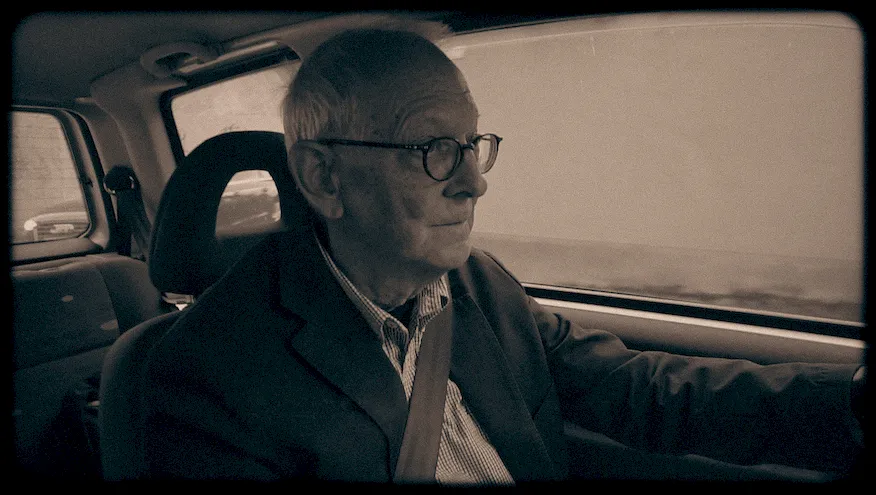
is a German historian and Byzantinist, a specialist in relations between Byzantium and Slavic Europe.
He studied Slavic Studies at the University of Hamburg and pursued further studies at the universities of Vienna, Lyon, and Munich, where he collaborated with the eminent Byzantinist Hans-Georg Beck. From 1971 to 1975, he worked as an assistant to Hans-Wilhelm Haussig in Bochum. Between 1976 and 1982, he was affiliated with the University of Münster (WestfälischeWilhelms-Universität), where he completed his habilitation and, from 1982 onward, taught as a professor.
In 1986, he was appointed Professor of Byzantine Studies at Johannes Gutenberg University Mainz, where he continued his academic and teaching career until his retirement in 2008.
Prinzing gained international recognition through numerous publications devoted to the history of Byzantium, particularly its relations with the Slavic world. He also played a key role in the identification and scholarly study of the long-lost Skewry Evangeliary. For his academic achievements and international cooperation, he was awarded the Bronze Medal for Merit to Culture – Gloria Artis (2007) and the Medal for Merit to Adam Mickiewicz University in Poznań (2017).
Professor Krzysztof Jan Stopka
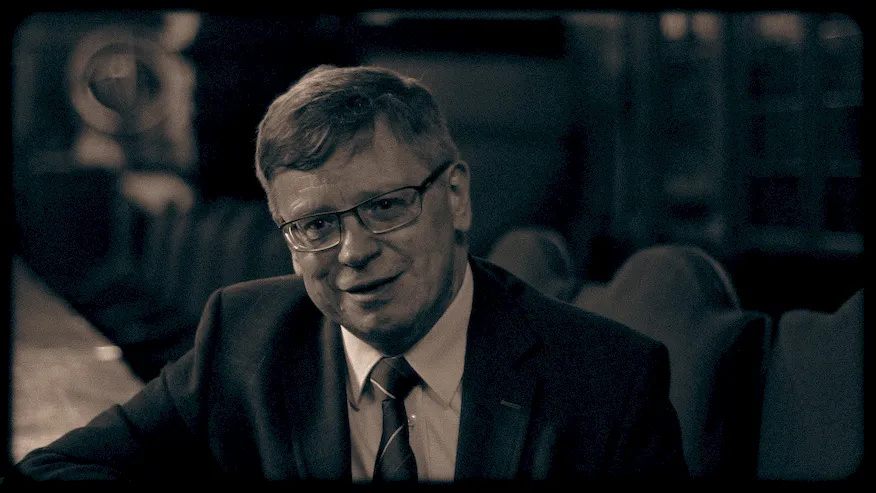
is a Polish historian and Armenologist, Professor of the Humanities, specialising in medieval history, the history of education, Church history, and the history of Armenians in Poland.
A graduate of the Institute of History at the Jagiellonian University, he has been affiliated with the university throughout his entire academic career. He received his PhD in 1992, his habilitation in 2003, became a professor of the Jagiellonian University in 2010, and in 2016 was awarded the title of Professor of the Humanities.
He served as Director of the Jagiellonian University Archives (2004–2011) and since 2012 has been Director of the Jagiellonian University Museum at Collegium Maius. He is also a professor at the Institute of History of the Jagiellonian University, Chair of the Eastern European Commission of the Polish Academy of Arts and Sciences, and a member of both the Commission on the History of Science of PAU and the Committee on the History of Science and Technology of the Polish Academy of Sciences.
Professor Stopka is actively engaged in research on Armenian heritage in Poland. He chairs the Council of the Foundation for the Culture and Heritage of Polish Armenians and is the founder and Editor-in-Chief of Lehahayer, the first scholarly journal in history devoted to Polish Armenians.
His academic achievements have been recognised with numerous distinctions, including the KLIO Scientific Award (2013), the Silver Medal for Merit to Culture – Gloria Artis (2017), and the Knight’s Cross of the Order of Polonia Restituta (2022). Professor Stopka serves as the academic consultant for the film Lost, Found, Hidden.
Tadeusz Serocki
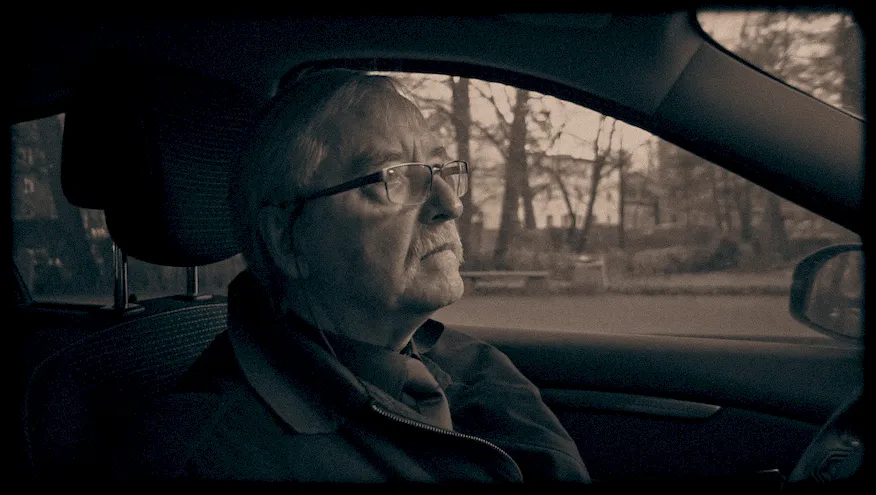
is a printer, publisher, and one of Poland’s leading specialists in the field of facsimiles of manuscripts, early printed books, and historical documents. For more than four decades, he has been professionally associated with Pelplin.
For many years, he directed the publishing activity of Bernardinum Publishing House, transforming it into a centre for the digitisation and production of facsimiles of documents, manuscripts, and early prints. On his initiative, nationwide celebrations of the 600th anniversary of Johannes Gutenberg’s birth were organised, as well as the project to produce a facsimile of the Gutenberg Bible (2003), carried out in cooperation with leading academic institutions in Poland and abroad.
Between 1998 and 2013, numerous facsimiles and reprints were produced under his supervision, including the 12th-century Lviv (Skewry) Evangeliary. In 2013, he founded Tadeusz Serocki Publishing House, specialising in the production of facsimiles and art books, including Codex 543 from the Library of the Mechitarists in Vienna.
He has also produced copies of documents of key importance to Polish history, including the 1367 privilege granted by King Casimir the Great to the Armenian community of Lviv.
He is affiliated with the Association of Catholic Publishers, the Printers’ Section of SIMP in Poland, the Polish Brotherhood of Gutenberg Knights, the Gutenberg Gesellschaft in Mainz, and the Association Internationale de Bibliophilie in Paris. He serves as Vice-President of the Armenian Association in Gdańsk. He is the recipient of numerous distinctions, including the Silver Cross of Merit, the “Meritorious for the Diocese of Chełmno” badge of honour, and municipal awards from Pelplin and Gdańsk.
Professor Andrea Barbara Schmidt
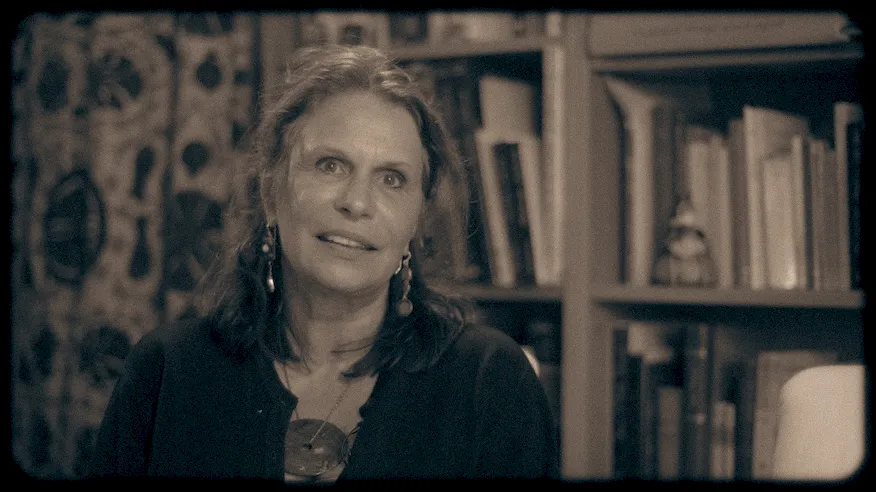
is Professor of Eastern Christian Studies at the Institute of Oriental Studies of the Catholic University of Leuven (UCL) in Belgium. She specialises in Syriac, Armenian, and Georgian Christian traditions.
Her research focuses on the religious and literary contacts between the Syriac-speaking Christian Semitic world and the Christian cultures of the Caucasus. In 2008, she was awarded the prestigious Francqui Chair at the University of Leuven.
She is a member of the Academy of Sciences in Göttingen and of the Patristic Commission at the German Academy of Sciences in Mainz. She also serves as editor of the series Corpus ScriptorumChristianorumOrientalium (Peeters Publishers, Leuven). As a scholarly editor, she has co-edited, among others, the volume ChristlicheWandmalereien in Syrien (with Stephan Westphalen), devoted to research on medieval Christian painting in the Orient, as well as Das Lemberger Evangeliar, dedicated to the late 12th-century Armenian manuscript.